How Your DRD2 Gene Affects Your Risk for Addiction
By AddictionDNA Team
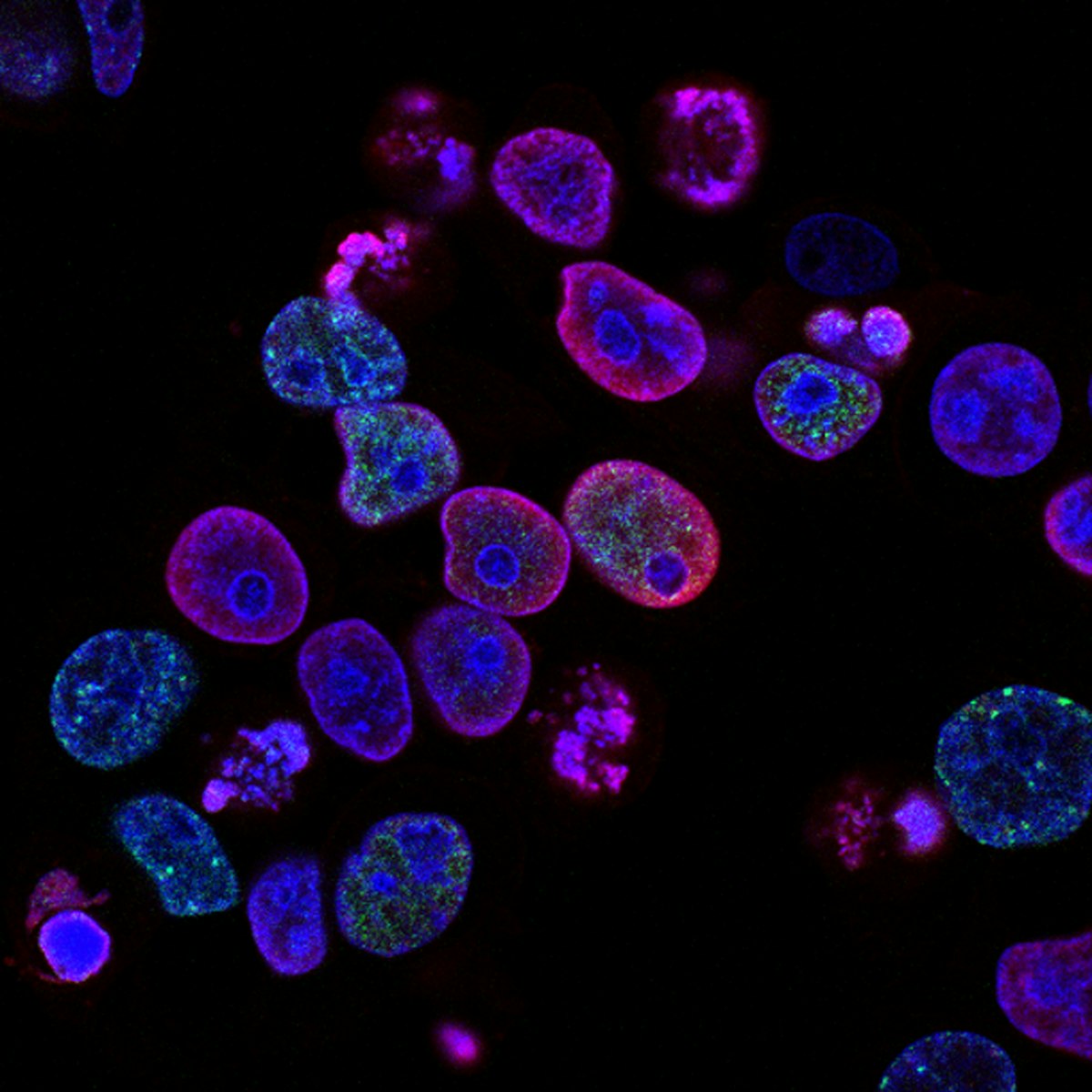
The DRD2 gene codes for dopamine D2 receptors in the brain — the molecular docking sites where dopamine delivers its signal of reward, motivation, and pleasure. Variants in this gene are among the most studied genetic factors in addiction science.
What the DRD2 Gene Does
Your DRD2 gene determines how many D2 receptors your brain produces and how efficiently they function. People with certain variants — particularly the Taq A1 allele — have measurably fewer D2 receptors. This means their brains receive a weaker dopamine signal from everyday activities, making them more likely to seek external stimulation.
The Taq A1 Allele
The Taq A1 allele of the DRD2 gene is associated with a 30-40% reduction in dopamine D2 receptor density. First identified in a landmark 1990 JAMA study by Dr. Kenneth Blum and Dr. Ernest Noble, this variant has been consistently linked to higher rates of alcoholism, substance dependence, and compulsive behaviors across hundreds of subsequent studies.
What This Means for You
Carrying a DRD2 risk variant doesn't mean addiction is inevitable — but it does mean your reward system may need targeted support. Understanding your specific DRD2 status through genetic testing allows you to take precise action: the right supplements, lifestyle adjustments, and coaching can help compensate for reduced receptor density.
A DNA assessment from AddictionDNA analyzes your DRD2 gene along with 9+ other reward pathway genes — giving you the complete picture of your genetic risk profile and a personalized protocol to address it.