

Hopeful person in warm window light representing health clarity

Medication genetics context

Addiction Medication Genetics

A careful guide for people asking how genetics may relate to addiction medications, reward pathways, opioid sensitivity, and treatment-support conversations.

Search intent

Visitor is searching medication-related addiction genetics and needs clear boundaries between AddictionDNA pathway testing and clinical medication decisions.

Medication decisions belong with qualified clinicians. AddictionDNA is not a prescribing or pharmacogenomic medication-response test, but pathway genetics can still add context for conversations about reward biology, opioid sensitivity, mood, stress, and recovery support.

This page is for you if...

  • You are trying to understand how genetics may relate to addiction treatment conversations.
  • You want context around reward pathways, opioid sensitivity, mood, and cravings.
  • You know medication decisions must stay with your medical provider.
  • You want AddictionDNA as an educational layer, not a replacement for clinical care.

What it cannot do

  • It does not tell a clinician which medication to prescribe or avoid.
  • It does not replace pharmacogenomic testing ordered for medication management.
  • It should never be used to start, stop, or change medication without a qualified medical professional.

How to think about it

Genetics gives context. The plan still matters.

Premium at-home genetic sample collection kit on a refined countertop

01

Medication decisions need clinical context

Addiction medications can involve diagnosis, history, withdrawal risk, co-occurring conditions, drug interactions, pregnancy status, labs, and clinical monitoring. A consumer pathway test cannot replace that process.

Laptop showing a refined genomic report interface

02

What AddictionDNA can still add

AddictionDNA can surface pathway signals connected to reward sensitivity, opioid systems, stress response, mood regulation, and cravings. Those findings can help people ask better questions in qualified care settings.

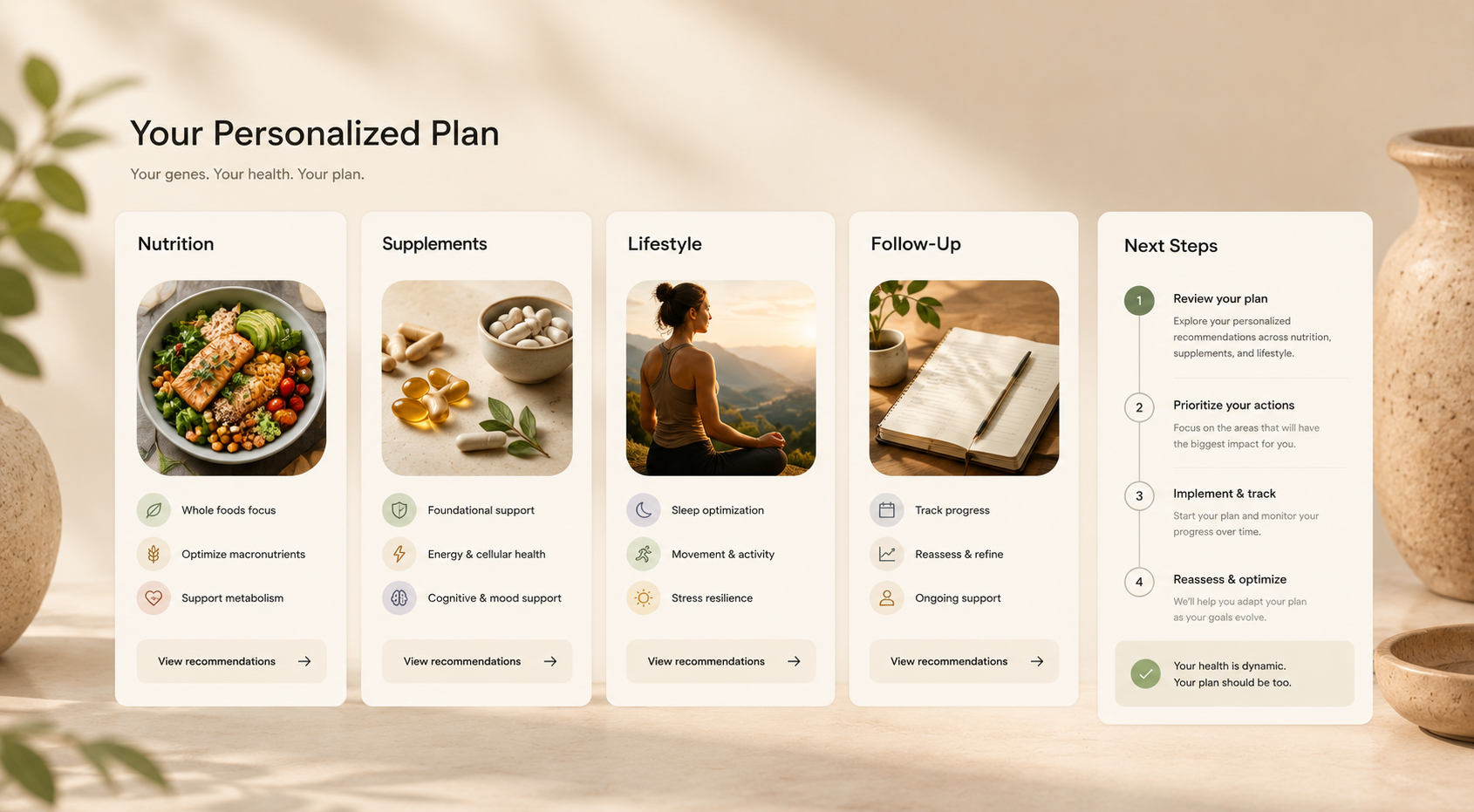
Premium personalized protocol plan cards in warm clinical light

03

Why clear boundaries matter

Genetic information is most useful when interpreted safely. AddictionDNA keeps the line clear: educational risk and pathway context, not medication instructions or diagnosis.

Hopeful runner moving forward outdoors in warm natural light

What the report can clarify

Risk signals worth reviewing.

Opioid pathway context

Signals that may be relevant to reward, pain, sensitivity, and addiction-risk discussions.

Mood and stress

Pathways that may influence co-occurring stress, emotional regulation, or relapse vulnerability.

Clinician questions

A report can help organize safer questions for a medical or recovery-care team.

Common questions

Before you order.

Is AddictionDNA a pharmacogenomic medication test?

No. AddictionDNA is not a medication-response or prescribing test. It focuses on addiction and mental-health pathway interpretation for education and support planning.

Can I use the report with my doctor?

You can share the report with qualified providers as context, but medication decisions should be made only by clinicians who understand your full medical picture.

Why include this page then?

Many people search medication genetics while trying to understand addiction biology. This page clarifies what AddictionDNA can and cannot responsibly provide.

Ready for the next step?

Start with the AddictionDNA test, or talk to us first.

If you already know you want the DNA test, go straight to the assessment. If you are not sure whether it fits your situation, send a short intake first.