
Hopeful person in warm window light representing health clarity

Addiction-risk DNA testing

DNA Test for Addiction Risk

A focused cheek-swab DNA test for people who want to understand inherited addiction-risk signals, reward pathways, cravings, and recovery planning without turning genetics into a diagnosis.

Search intent

High-intent visitor comparing addiction-risk genetic testing options and looking for a credible next step.

A DNA test cannot tell you that addiction will or will not happen. What it can do is identify inherited risk signals that may help explain why cravings, reward sensitivity, mood patterns, or relapse vulnerability feel stronger for some people than others.

This page is for you if...

  • You have a family history of addiction and want more context before problems escalate.
  • You are in recovery and want to understand biological risk signals that may affect relapse planning.
  • You are supporting a loved one and want a more concrete way to discuss inherited vulnerability.
  • You want a practical report and expert review, not raw DNA files or generic wellness advice.

What it cannot do

  • It does not diagnose substance use disorder, mental-health conditions, or future behavior.
  • It does not replace clinical care, therapy, medical treatment, or emergency support.
  • It does not mean genes are destiny; environment, trauma, access, stress, and support still matter.

How to think about it

Genetics gives context. The plan still matters.

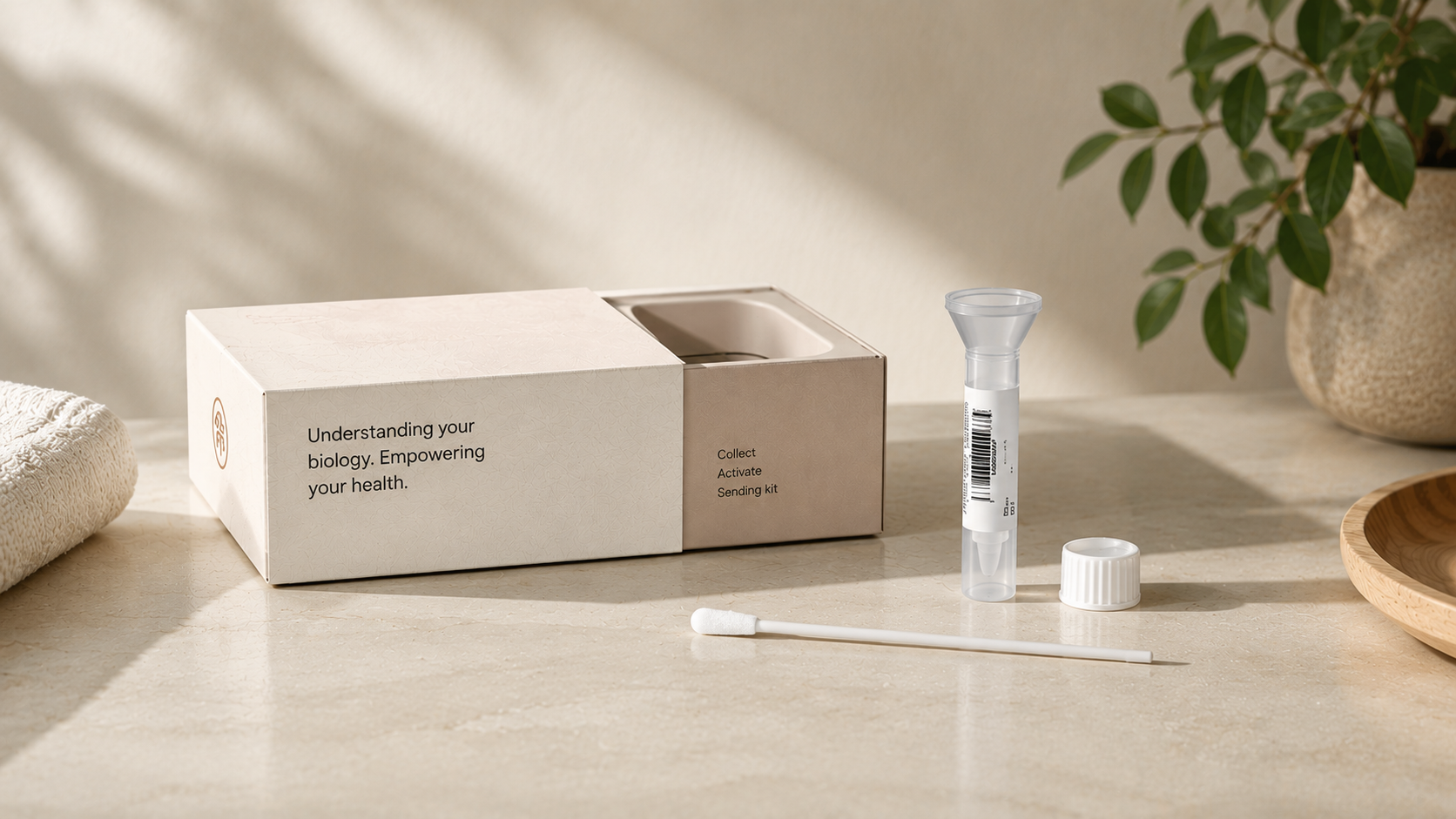
Premium at-home genetic sample collection kit on a refined countertop

01

Why genetics matters in addiction risk

Addiction risk is shaped by biology and environment together. Genetic variants can affect dopamine signaling, stress response, neurotransmitter metabolism, and reward sensitivity — all systems that influence how strongly the brain responds to substances or compulsive behaviors.


Laptop showing a refined genomic report interface

02

What AddictionDNA looks for

The AddictionDNA test focuses on addiction and mental-health pathways, including reward, dopamine, serotonin, GABA, opioid sensitivity, and related SNP patterns. The goal is not a single scary score; it is a clearer interpretation of multiple signals.

Premium personalized protocol plan cards in warm clinical light

03

What happens after results

Results are meant to be reviewed in context. The report and 45-minute expert review help translate the findings into prevention, recovery-support, nutrition, supplement, and lifestyle conversations that are easier to act on.

Hopeful runner moving forward outdoors in warm natural light

What the report can clarify

Risk signals worth reviewing.

Reward sensitivity

Signals related to how strongly the brain experiences reward, satisfaction, novelty, and craving pressure.

Stress and mood pathways

Variants that may help explain why stress, anxiety, low mood, or dysregulation can increase vulnerability.

Recovery support targets

Genetic context that can support a more targeted conversation about coaching, nutrition, and protocol planning.

Common questions

Before you order.

Can a DNA test predict addiction?

No. AddictionDNA does not predict or diagnose addiction. It identifies inherited risk signals that may be useful for prevention, recovery planning, and more informed conversations with qualified professionals.

Is this only for people already in recovery?

No. Some people use it because addiction runs in the family and they want prevention insight. Others use it during recovery to better understand risk patterns and possible support strategies.

What is the next step if I want the test?

Start with the Mental Health And Addiction DNA Test. The current offer is $595 plus kit shipping and includes the cheek-swab test, report, and expert review consultation.

Ready for the next step?

Start with the AddictionDNA test, or talk to us first.

If you already know you want the DNA test, go straight to the assessment. If you are not sure whether it fits your situation, send a short intake first.