

Hopeful person in warm window light representing health clarity

Reward Deficiency Syndrome

Reward Deficiency Syndrome Test

Learn how reward-pathway genetics may relate to low reward sensitivity, cravings, compulsive patterns, and addiction-risk planning.

Search intent

Visitor is searching for RDS testing, dopamine deficiency concepts, or GARS-adjacent reward-pathway genetics.

Reward Deficiency Syndrome is a framework for thinking about low reward sensitivity and compulsive seeking. A genetic test cannot diagnose RDS, but it can highlight reward-pathway signals worth reviewing.

This page is for you if...

  • You have searched for GARS, RDS, dopamine, or reward-pathway testing.
  • You relate to low satisfaction, strong cravings, or compulsive reward-seeking patterns.
  • You want a modern consumer path for addiction-risk genetics.
  • You want interpretation that connects science to next steps instead of raw data alone.

What it cannot do

  • It does not diagnose Reward Deficiency Syndrome or any medical condition.
  • It does not prove dopamine is the only issue behind addiction or compulsive behavior.
  • It does not replace clinical evaluation, therapy, or medical care.

How to think about it

Genetics gives context. The plan still matters.

Premium at-home genetic sample collection kit on a refined countertop

01

What RDS is trying to explain

The RDS framework centers on reward sensitivity: why ordinary rewards may not feel satisfying enough for some people, and why stronger stimulation can become more compelling. Genetics may contribute to that pattern, but context still matters.

Laptop showing a refined genomic report interface

02

How this relates to GARS searches

Many people searching for RDS testing are also looking for the older GARS concept. AddictionDNA is built as a current consumer path for addiction and reward-pathway genetics with report interpretation and review support.

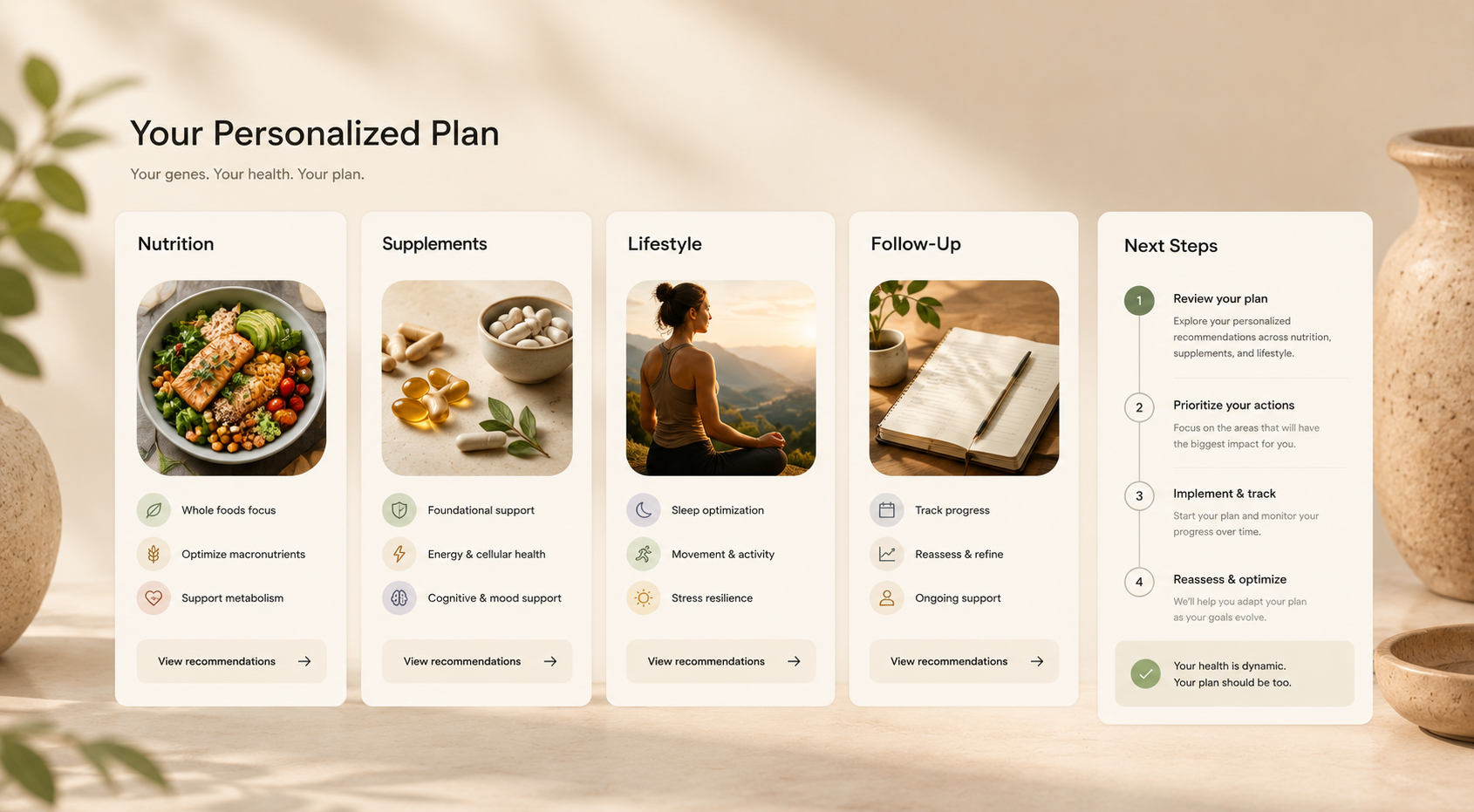
Premium personalized protocol plan cards in warm clinical light

03

Why interpretation matters

A reward-pathway variant does not mean a person is broken or doomed. The value is understanding which biological systems may deserve more attention in prevention, recovery, nutrition, coaching, and support planning.

Hopeful runner moving forward outdoors in warm natural light

What the report can clarify

Risk signals worth reviewing.

Dopamine pathway

Signals connected to dopamine receptors, transport, metabolism, and reward response.

Compulsive-pattern risk

Context for substance, food, gambling, digital, shopping, or other reward-seeking patterns.

Support strategy

A starting point for targeted conversations about nutrition, supplementation, coaching, and care support.

Common questions

Before you order.

Can AddictionDNA diagnose Reward Deficiency Syndrome?

No. AddictionDNA is an informational genetic test. It can highlight reward-pathway signals, but it does not diagnose RDS or any medical condition.

Is this the same as the original GARS test?

No. AddictionDNA is not the original GARS test. It addresses similar search intent — addiction-risk and reward-pathway genetics — through the current AddictionDNA test and interpretation process.

What should I do if RDS sounds like me?

If you want genetic context, review the AddictionDNA test. If you need treatment or urgent help, work with qualified medical, mental-health, or recovery professionals first.

Ready for the next step?

Start with the AddictionDNA test, or talk to us first.

If you already know you want the DNA test, go straight to the assessment. If you are not sure whether it fits your situation, send a short intake first.