
Hopeful person in warm window light representing health clarity

Recovery-support genetics

Addiction Recovery DNA Test

For people in recovery or supporting recovery, AddictionDNA helps translate genetic risk signals into more informed conversations about relapse vulnerability, cravings, mood, and support planning.

Search intent

Recovery-stage visitor wants to know whether genetics can help personalize support without replacing treatment.

Recovery is not just willpower. Biology, stress, environment, trauma, support systems, and daily structure all matter. Genetic context can help explain certain vulnerabilities and make support planning more specific.

This page is for you if...

  • You are already in recovery and want more context for cravings or relapse vulnerability.
  • You work with a loved one or client and want a more informed conversation about risk.
  • You want genetics connected to practical next steps, not a static report that sits in a portal.
  • You understand testing is supportive and educational, not a treatment replacement.

What it cannot do

  • It is not a treatment program, detox plan, therapy substitute, or emergency resource.
  • It does not guarantee relapse prevention or recovery outcomes.
  • It should not be used without appropriate clinical or recovery support when risk is active.

How to think about it

Genetics gives context. The plan still matters.

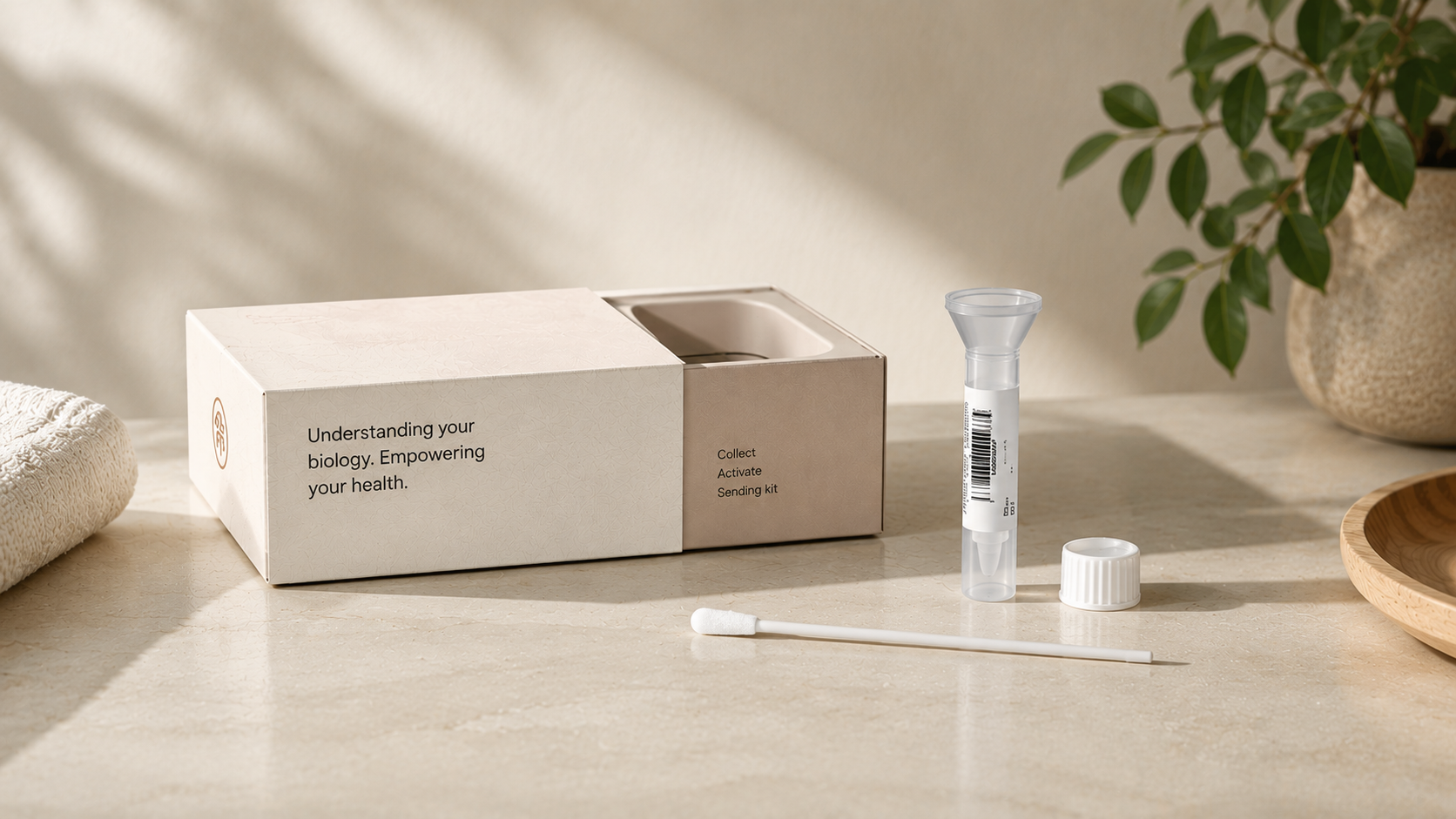
Premium at-home genetic sample collection kit on a refined countertop

01

Why genetics can matter after sobriety starts

Recovery may remove the substance or behavior, but the underlying reward, stress, mood, and craving systems still need support. Genetics can provide one more layer of context for why certain triggers or patterns are harder for one person than another.
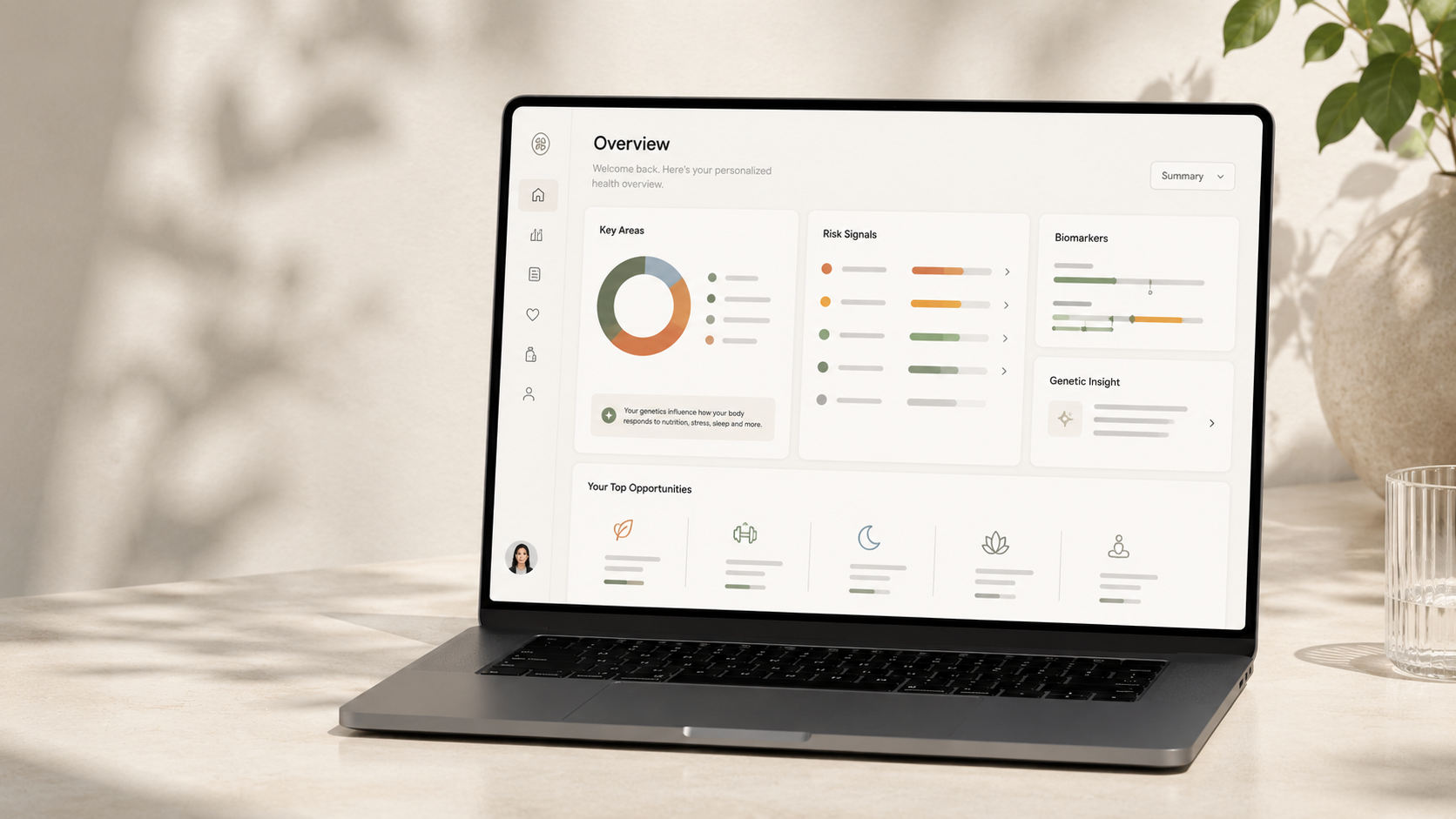
Laptop showing a refined genomic report interface

02

How the report supports planning

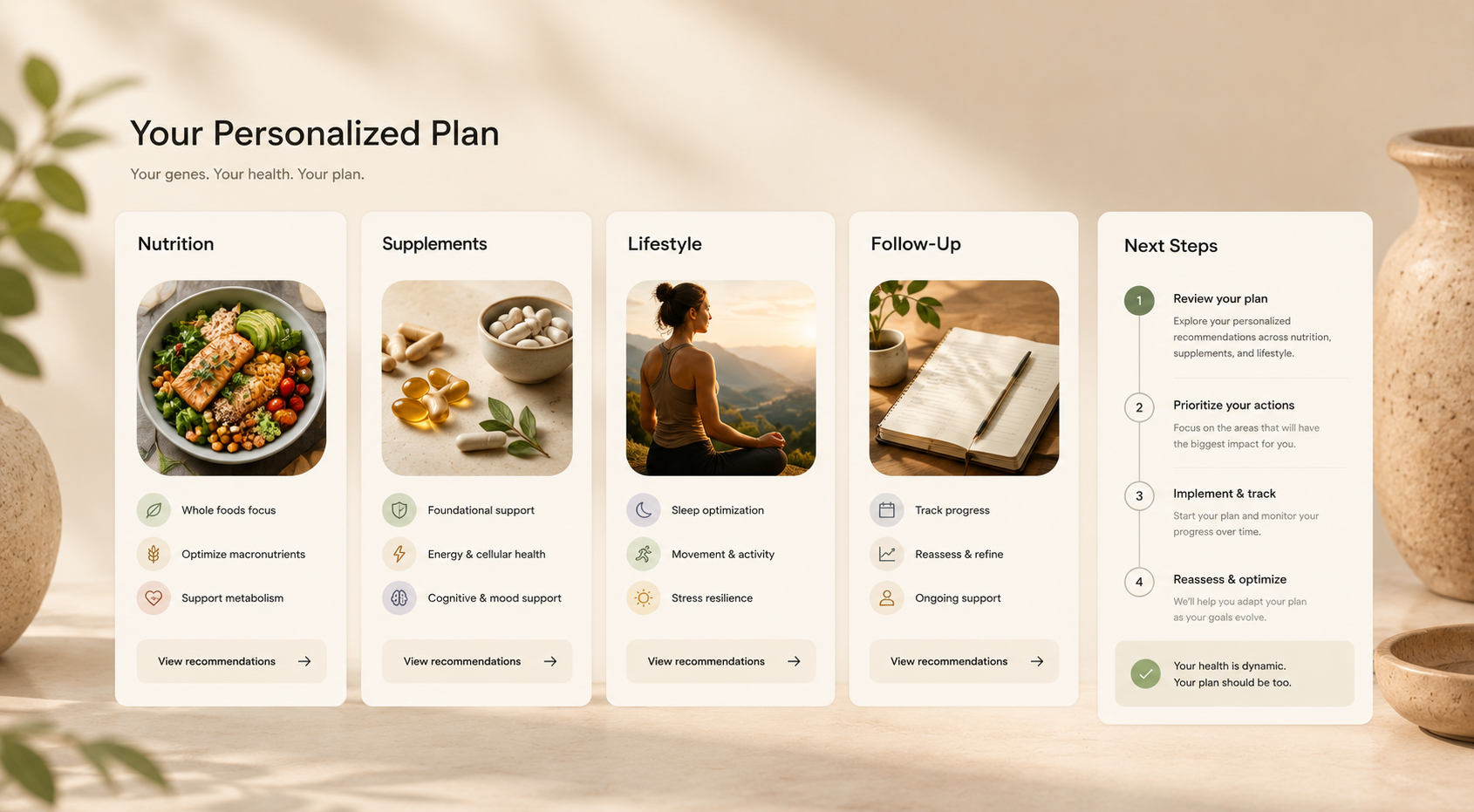
The AddictionDNA report is designed to be reviewed. It can help guide conversations around nutrition, supplement support, sleep, stress, coaching, and risk awareness in ways that match the person instead of relying only on generic advice.

Premium personalized protocol plan cards in warm clinical light

03

Where it fits in the recovery stack

Use it as an educational support layer alongside appropriate treatment, therapy, peer support, medical care, family systems, and daily recovery structure. It should clarify, not replace, the rest of the plan.

Hopeful runner moving forward outdoors in warm natural light

What the report can clarify

Risk signals worth reviewing.

Relapse pressure context

Signals that may relate to reward sensitivity, stress response, and craving intensity.

Mood and regulation

Genetic pathways that may shape emotional regulation, low mood, anxiety, or stress vulnerability.

Protocol discussion

A clearer basis for targeted nutrition, supplement, coaching, and recovery-support conversations.

Common questions

Before you order.

Should someone in active crisis use this first?

No. If there is active danger, withdrawal risk, overdose risk, or urgent mental-health concern, seek immediate professional or emergency support. Genetic testing is not crisis care.

Can it help after treatment?

It may help as an educational layer after or alongside treatment by giving more context for biological risk signals, cravings, stress patterns, and support planning.

What is included with the current AddictionDNA test?

The current test includes the cheek-swab DNA kit, addiction and mental-health pathway analysis, a personalized report, and a 45-minute expert review consultation.

Ready for the next step?

Start with the AddictionDNA test, or talk to us first.

If you already know you want the DNA test, go straight to the assessment. If you are not sure whether it fits your situation, send a short intake first.